Por la vuelta del castillo

Mi hermano me dice que el papá ya se ha ido, que ahora solo podemos quererlo. La verdad es que tiene razón, pero no me resisto a pensar que es un momento bueno. Los estoicos dicen que no es lo que ocurre en tu vida que es relevante sino tu respuesta a aquello que te viene dado, a lo que está más allá de tu voluntad y poder de decisión. Claro que nos hubiera gustado tener más discusiones y conversaciones con el papá, hablarnos una botella más con él, pero ahora solo nos queda decirle que lo queremos, recordarle que somos sus hijos y que para que haya olvido son dos los que tienen que desertar del recuerdo, con uno solo no vale. Como casi todo en esta vida, excepto la libertad que es individual y solitaria, las cosas se hacen de a dos o incluso de a más.

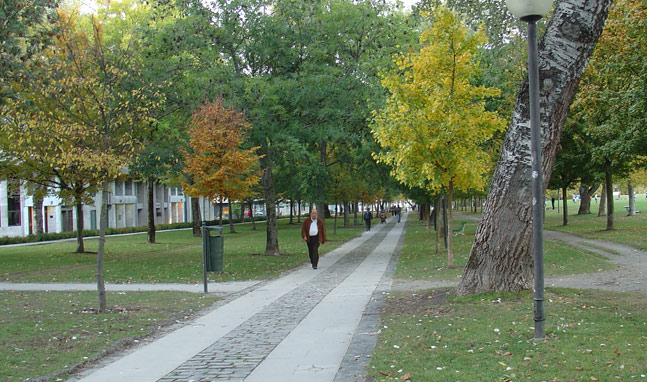
Te voy a recordar el paseo por la vuelta del castillo papá.  Era una de esas mañanas luminosas de primavera, con una luz huida del invierno que promete futuro y claridad, aunque hacia un poco de fresco. Al salir de casa hemos cruzado por Azuelo, el parque estaba lleno de críos jugando en los toboganes y demás aperos que ponen ahora en los parques. Los chinos estaban abiertos y todo el mundo estaba en sus cosas. Por Urdax un antiguo representante que solía visitarte nos ha parado y te ha deseado un buen día. De ahí hemos pasado por el colegio de El huerto, como era sábado había partidos de futbito. ¿Recuerdas cómo nos llevabas los sábados por la mañana a esos campeonatos de futbito o baloncesto cuando éramos pequeños? Íbamos al Puy o “Las Nacionales” o “Las Anas”. Yo tenía dos pantalonetas, una de color rojo y otra azul, que eran lo más y solo usaba en esos partidos que eran el evento más importante de la semana. Esos sábados por la mañana dibujábamos nuestra propia leyenda, marcando goles o encestando y volvíamos a casa como quien ha luchado con un dragón, vencido o vencedor en cualquier caso héroe. Nos hemos detenido a ver uno de esos partidos, ¡han marcado 2 goles, como corrían los chavales por el patio!

De ahí nos hemos encaminado a la vuelta del castillo. Hemos paseado por el camino mas interior hasta llegar casi a Yanguas y Miranda. Topamos con un evento de esa gente que mira al pasado en vez de al futuro. Portaban banderas ilegales de un régimen supuestamente democrático que mato a tanta gente como una dictadura tras una guerra, en fin …

Luego hemos vuelto a casa con paso tranquilo, nos hubiéramos podido parar por ahí a tomar un pincho, pero tu querías volver a casa. Querías volver a ver a la mama. No te fiabas de mí, pero vamos…en un juicio de paternidad, con muestras de DNA y todo eso, ¡perderías hasta la camisa! Tras convencerte de que íbamos camino de casa, y de que estabas en buenas manos (las mías), hemos vuelto. Como siempre, al doblar la última esquina el viento nos ha dado en la cara. La mama nos estaba esperando. Hemos comentado las incidencias del paseo y te hemos convencido de que yo era buena gente. Has sonreído como los niños cuando han hecho una travesura, con una sonrisa amplia y limpia. Ha sido un día magnifico y ni siquiera es mediodía.

The secret

As we are all growing older, this topic is truly a democratic one 😉!

Recently in public life we seem to be in an era of youth worship, everything young is good, forward looking and bold! Many times, it is just idiotic but … that is not my point.

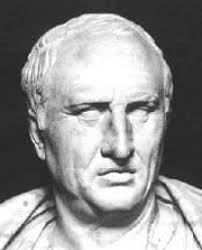
I was reading an essay by Cicero “On Old Age” (breaking news: published 2000 years ago!) where he talks about how life changes as you age and you should do different things threaded by your unique mix of talents and wishes. It is amazing how modern it is and how timeless wisdom it holds. It does not idolize elders or youngsters but it sure asks everyone to be smart and evolve as life does.

That goes along with our incessant search for immortality or at least a longer and healthier life. In recent decades we have been inundated with books about the blue zones (areas of the world where life expectancy is significantly higher) trying to extract the secrets to a longer life expectancy. But what good is it a long life if it is aimless?  Seneca said “If one does not know to which port one is sailing, no wind is favorable”. That brings me to the Japanese concept of Ikigai “the reason for being”. Ikigai includes the sense of purpose and joy together, and alignment between your purpose and what makes you happy, being all one. It is interesting that in those blue zones that I mentioned earlier researches find healthy habits such as regular moderate exercise, healthy food but they find happiness through a sense of community, belonging and a purpose in life. They all have a reason to get up in the morning.

At the turn of the century Dr Snowdon published what is now known as the “Nun Study”. This is a study done with the diaries found in an old catholic monastery. These were nuns who wrote a short biography about themselves and what they expected from the commitment they were about to make. These diaries were dated in the first half of the XX century and one of the precious elements is that all of them had the same occupation and lived a similar lifestyle, almost a “controlled trial”. The study showed that positive emotions in early life were associated with longevity. Those nuns who had a more positive emotional content looking at their future lived longer and healthier. So, it is true how you handle things has a direct impact on your life. Your body tells you, what is the point of being here if we (you and I) are not happy? let us close shop early.

The common theme underlying Cicero, Ikigai and the Nuns is that the strongest drive to life lies inside, as much as we look for external reassurance, recognition, external signs of power … we only give it to ourselves, nothing outside our own heart-brain-soul has any impact. Our first step to longevity is the decision to be happy, regardless of what happens to us. Epictetus ( who was born a slave in times of the Roman Empire) said: “It is not happens to you, but how you react to it that matters”

Eating vegetables and sashimi helps… but we need to find our why… why do we get up in the morning? why do we smile? why do we go to work? why, why, why, why…find your why!

References

On old age by Cicero 44 BC

The Blue Zones, Second Edition: 9 Lessons for Living Longer from the People Who’ve Lived the Longest by Dan Buettner, 2012

Deborah D. Danner, David A. Snowdon, and Wallace V. Friesen. Positive Emotions in Early Life and Longevity: Findings from the Nun Study University of Kentucky Journal of Personality and Social Psychology, 2001, Vol. 80, No. 5, 804-813

Los marcos

Últimamente me ha dado por comprar marcos para las fotos. Es curioso porque cuando empecé a caminar por el mundo, con un rumbo aprendido pero perdido, nunca llevé memoria gráfica de mi pasado. Es como si el emigrante que va conmigo no se hubiera permitido el lujo del recuerdo. Lo cierto es que mi pasado tenía ausencia física nada más. Siempre he llevado a cuestas las navidades, el musgo, la piscina en verano y las fiestas del pueblo.

Hacerse mayor es aprender a estar solo, y disimular el pánico. Quizá ahora es cuando puedo asomarme a la realidad tal como es, y me permito tener esos altares de la memoria a los que volver. La foto es un momento quieto que robamos a los que en ella están. Es como si la verdad de ese momento ya no les perteneciera, el clic de la máquina los desposeyó del momento, y me lo dio a mí.

Ahora amontono momentos de otros, porque me traen a la memoria los que allí están. Ya se han ido en fuga Heraclitiana, ya son otros, pero yo los tengo allí, en aquel tiempo, ellos.

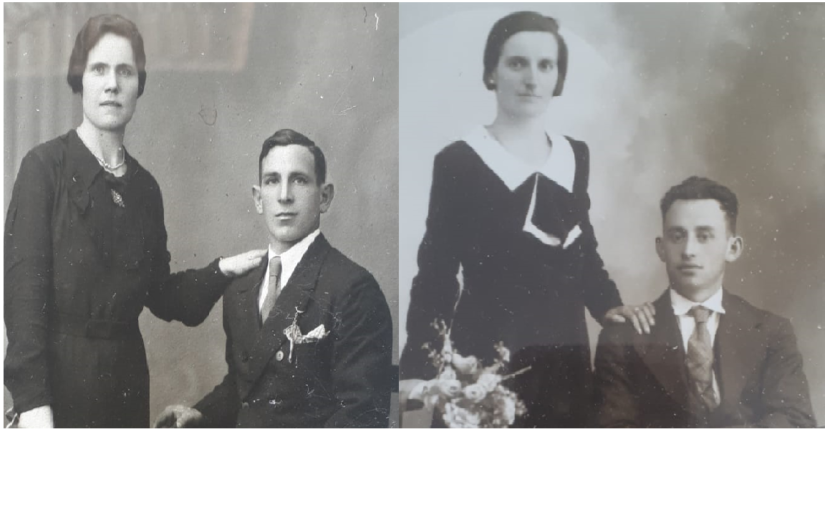
Mi madre empezó a poner fotos en los marcos cuando mis abuelos murieron. Alargando su vida en la memoria del papel. Las fotos de mis abuelos son fotos de posado, en blanco y negro. En realidad, son fotos de futuro. Eran jóvenes y posaban ante el fotógrafo, como en un ritual brindis a la vida, a un futuro portentoso. En ellas posan según mandan las costumbres de aquel momento. Apuestos, jóvenes, regios. Dispuestos a luchar una guerra civil, la autarquía, Benidorm y la democracia con Fraga y Carrillo.  

Las fotos de mis marcos construyen una memoria del presente en destellos, en momentos robados. No hay declaraciones solemnes. No prometen futuro, solo son.     

My february random thought

The existence of human freedom has not been debated so much as the exercise of such freedom. If it is the exercise of freedom what has been a concern over human history (a topic for another day), its existence must be a given. Really?

Let us put that statement under the microscope.

We, human beings, are body and soul. Our physicality by itself does not explain who we are, but we are not “pure spirit” either, and our physical body has an impact on how we behave, live and even how our soul is.

Let me take you through some facts of common sense and the most recent science on the topic.

As the Snicker’s commercial says… “you are not you when you are hungry”. Interesting commercial! this is a very evident and common sense fact. When you are hungry you can be ill humored and your behavior is aimed at having something to eat. However, if you are hiking in a 10K challenge “hike for … disease-charity” the same hunger feeling can be tolerated in search of a higher goal. What a mix of spiritual and body needs!

Let us move to science now. Current research in neuroscience has benefited greatly from the possibility of imaging our brain and describing what parts of the brain are active when we do different tasks. This science says that our frontal lobe is the area most active when you are thinking or solving a problem and  the parietal lobe is the area where your sense of self originates. In a study with Buddhists and Franciscan nuns who experienced a sense of “oneness” in a contemplative state, the MRIs showed a sudden drop in the activity of the parietal lobe. This is the area that creates the distinction between the “self” and “other”

A common knowledge nowadays in western culture is that contemplative practices (from mindfulness to breath mediation and many other forms of meditation) have an impact in our wellbeing. It can produce increased empathy, better mood and better relationships. As we described before, different mental states have different (an identifiable with current technology) physiological correlates.

The question is: do these practices have a real impact in our behavior or is it nonsense? If the answer is yes and there is a real impact then I have another question: Is there a physiological correlate that can provide some evidence of such change in behavior? 

EEG shows us that electrical activity of meditators is different from non-meditators and MRIs show that the activity of the brain in states of flow is very specific, it shuts down our frontal lobe for example. Furthermore, we have evidence of changes in the depth of the gray matter and size of the nucleus accumbens (ufff) in long time meditators. This area plays an important role in the reward circuit of the brain but also the attachment (emotional attachment, rumination and addiction). Interesting!    

Hooray! Finally, there is evidence that spiritual practices can have an impact in our physicality. Eccles would have been delighted to see this!

But we can even go further, very recent experiments with a combination of low-doses of MDMA with assisted therapy in patients with PTSD have shown dramatic improvements in anxiety scores, furthermore a limited number of doses are necessary to produce long lasting effects.

In summary, we can see changes in behavior with certain practices. Those practices produce long lasting impacts in our physiology (altered traits, as D Goleman/R Davidson would call it), and combination of drugs and contemplative practices can even accelerate such changes and heal.

 So… why are we talking about freedom?

The definition of freedom from the Merrian-Webster is as follows: the absence of necessity, coercion, or constraint in choice or action. The founding fathers in their declaration of independence said “…We hold these truths to be self-evident, that all men are created equal, that they are endowed by their Creator with certain unalienable Rights, that among these are Life, Liberty and the pursuit of Happiness.” They thought we had the right to be free, to freedom.

There is an inextricably interaction between our physicality, our beliefs and our actions. In the 70s the biological current of psychiatry advocated for a chemical explanation of mental disease. There is an interesting statement in a building in 72nd street and Broadway:” Depression is a flaw in chemistry not character”.

Where is the threshold? Where can we attribute the cause of our behavior to our physicality and where is that behavior an exercise of freedom?

The answer is probably nuanced. Yes, human freedom exists and as a consequence human responsibility for our actions. We need to own our behavior, because we are free beings. But we have to learn more about ourselves to be able to achieve our full potential, and take advantage of both spiritual and physical hacking!

We can modify the activity of our brain to have a better life through contemplative exercises.

Reading list

El traje nuevo del emperador

Hoy voy a escribir de uno de esos tópicos de los que nadie habla, pero en algún momento han pasado por la mente de muchos.

Si tienes 5 minutos que perder, literalmente, acércate a la web del “equipito” y lo dicen ellos mismos.

“El orgullo por lo propio, reflejado en su máxima expresión con su política de cantera, marca la diferencia con cualquier otra filosofía o manera de entender el fútbol en todo el mundo…

El Athletic Club está radicado en Bilbao, provincia de Bizkaia (País Vasco). Nuestra filosofía deportiva se rige por el principio que determina que pueden jugar en sus filas los jugadores que se han hecho en la propia cantera y los formados en clubes de Euskal Herria, que engloba a las siguientes demarcaciones territoriales: Bizkaia, Gipuzkoa, Araba, Nafarroa, Lapurdi, Zuberoa y Nafarroa Behera, así como, por supuesto, los jugadores y jugadoras que hayan nacido en alguna de ellas.”

Solo puedes jugar en ese equipo si has nacido en una geografía especifica que coincide con la geografía del xenófobo oligofrénico Sabino Arana. Emplazo a cualquier empresa española a poner en marcha un proceso de selección de personal en el que se incluya la siguiente condición

 “Nuestra filosofía de empresa se rige por el principio que determina que pueden incorporarse a nuestro equipo los trabajadores que se han educado en las universidades de todo el mundo excepto aquellas situadas en Euskal Herria, que engloba a las siguientes demarcaciones territoriales: Bizkaia, Gipuzkoa, Araba, Nafarroa, Lapurdi, Zuberoa y Nafarroa Behera, así como, por supuesto, los trabajadores que hayan nacido en alguna de ellas”

Todo el mundo diría que es inaceptable, discriminatorio y de otro mundo. ¿Si esto es así, porque nadie llama a las cosas por su nombre? 

¡El equipo de futbol de Bilbao es un equipo racista! El hecho de que haya que decirlo es un síntoma paradigmático de la hediondez intelectual de la sociedad española en general y de la región vascongada en particular.

A riesgo de convertirme en escritor de Oráculos Sibilinos creo que como todo lo que tiene un espíritu pequeño y mezquino acabara en el lugar que le corresponde. De hecho, la historia ha sido inmisericorde con esa medianía filosófica, cuando han salido de su pueblo jamás han hecho nada reseñable.

Books in 2018

  • Montaigne by Stefan Zweig (1947)

As Ryan Holiday says this is a moral biography, do not expect a detail recount of Montaigne’s life, but you will get the essence of it. It is a great summary of Montaigne’s intellectual endeavors and an invitation to read his “Essais”. Interesting that Zweig wrote this book right before committing suicide in Brazil. In the horror of the time he was living in, Zweig felt a connection to a civilized and world citizen in Montaigne. An archetype of human greatness.

  • Magellan by Stefan Zweig (1938)

I will start with the same statement “As Ryan Holiday says this is a moral biography”; however, is the fruit of a thorough study of history and the few available documents. This is a gripping story, one of the most daring and relevant adventures of human history. Magellan and his crew demonstrated that the world was as round as a soccer ball. You will learn that the glory of Elcano is…not so glorious. And as many, if not most, human endeavors the reason for such epic discoveries was … yes, commerce! There is nothing wrong with that, but it is interesting that many times we start projects to make money, but in the end, there is always something else. These men joined the crew for glory and money (and to escape punishment as Elcano); went through hell but persisted, sometimes because the leader forced them do so and many others because it was the right thing to do. A small number of them returned, and they came back different and better human beings. Stefan brings an epic story with the pulse of the journalist and the understanding of human soul as only a scholar of life can do. READ IT!

  • El mes más cruel Pilar Adon (2010)

This is a set of short stories. It is an absolutely beautiful book. Elegant Spanish, with no artificial resources, straight, simple, clear. At the same time, the ambiance is nebulous, you do not really know if the character comes to you or is fleeing the scene. Very good book, read it! Please.  Of note, Culto domestico and Marcel Berkowitz.

  • The undoing Project Michael Lewis (2017)

This is a book that I savored, I did not rush it because I did not want to finish it. Is it a love story? To a certain extent, it is. It’s a story of love and abandonment. And it is one of the most exciting intellectual developments of the last 50 years.

  • Hillbilly Elegy J.D.Vance (2016)

This is a fantastic book, if there is one political book you should read this year, this is the one. It is a recount of how to survive, it is a “novel” with a happy end. It is sociological description of a certain layer of society. It is the description of human growth and continuous challenge… and it is an ongoing story. Some critics say this is the book to understand why D Trump won the presidency, but that is a very shallow analysis and a misunderstanding of this biography.

  • Pudor By Santiago Roncagliolo (2007)

Sorry, not worth it. Great start, horrible resolution. It feels as if after all the pieces were in place the player no longer fancied the chess game. Ok language.

  • El cuaderno gris by Josep Pla (1966)

I have to say that I regret not having read this book 30 years ago. This is a wonderful piece of Spanish literature, with irony, depth and love for his way of life, his family, friends and his universe. I read the translation by Dionisio Ridruejo (finished shortly before his death). I am not surprised the political establishment of mediocre racists in the Spanish region of Catalonia have not taken him to the altars of Catalan literature. That is exactly where he belongs! Buy it…. it would be fantastic if you also read it.

  • Hacerse todas las ilusiones posibles y otras notas dispersas by Josep Pla (2017)

This is a book of random notes. Some of them show a really deep understanding of human soul. The author was distant and close at the same time. He was smart enough to be sarcastic and distant form our human pitfalls but the description of such failures is done with a close look and sometimes warmth. I am not saying this is a treasure but there are some few gems of knowledge here. Worth your time!

  • The trident by Jason Redman (2013)

This is a great book. It describes the personal journey of a navy seal but it is not pomp and circumstance, it describes the highs and lows and his journey to really understanding leadership. When you approach this book, set aside your judgements about these warriors beating their chest and saying how good they are. This book is anything but that.

  • The human side by Albert Einstein (1981)

This is a fantastic book. As the aforementioned “Random notes” by Josep Pla, this is a collection of letters, answers to various requests from all over the world and short notes in Einstein’s archive. Through all such notes the depth of Einstein’s soul comes back to surface time and again. It is a real pleasure to read it. It was so short …

  • Things that matter by Charles Krauthammer (2013)

Charles Krauthammer is probably the most elegant and knowledgeable political commentator of the last 30 years in the US. Unfortunately, he died recently. This is a collection of his best pieces over 30 years. It is a chronicle of life, political and intellectual endeavors. There are 2 pieces that are timeless essays (Chapter 12: The Jewish question and Chapter 16: Three essays on America and the world). Furthermore, it is an elegant English, succinct and efficient but funny and humorous at times.  

  • Dreamland by Sam Quinones (2015)

This is a fantastic book, a really must read about the opiate epidemic in the US. It a sad story at many levels, but also a story of hope when people take responsibility for their own future. In statistics there is a term when two factors together produce a greater effect than by themselves it is called “interaction”. In social science is caller “moderation”. In the opiate case, the change of heart of the medical community with respect to opiate prescription along with a pharmaceutical company promoting on such claims created the perfect environment for an explosion of addicts to opiates, the rest is just like water going downstream to the sea. Those addicts moved to higher and cheaper drugs, a perfect marketing system of high quality product did the rest. It is interesting to see how you can preserve the quality of a product when you pay the sales force well, and they do not have any appetite for the product they sell. I will make one comment, the author takes cheap shots at republicans … when he should take shots at society, lack of personal responsibility and political class of both parties (some for not giving second chances when the problems are in a small percentage of the population, and the others for being lenient on drug dealers and illegal immigration). It is interesting that he never makes any judgement on the drug dealers “Nayarit boys” as if they were only looking for an opportunity. That may be true but … they might start asking Mexico to become a real country and not a failed state plagued with corruption and injustice. Of note, the author never tries to understand the roots of the cultural background of addicts (described beautifully by Vance, book reviewed above). Interestingly enough at the end of the book, he comes to the realization that no government program or resources worked until people took responsibility for their own future. Only then those government resources made a difference, only then the town of Portsmouth Ohio, started writing its own future. Fantastic book in any case. Read it!  

  • Patria by Fernando Aramburu (2016)

This is probably the most important book written since Obabakoak (1988) by Bernardo Atxaga, in northern Spain. And it is far more relevant, infinitely important book. It is a radiography to infamy, idiocy, tragedy, cowardice, love, silence and life. It tells a big story in recent Spanish times by looking at small events of many different people, again the “intrahistoria” concept by Unamuno. It is a coral story of love (“if you suffer a stroke we get married”) and a final forgiveness that does not erase history. I recommend you read this book urgently!

  • La vida lenta. Notas para tres diarios by Josep Pla (2014)

 This is a dairy the author kept during 3 separate years (1956,1957 and 1964). The most interesting part is not the writing, just notes, but the pace of life. I happen to know a little bit that area and some of those towns in Costa Brava, and can imagine a life with friends, drinks, snow storms, harvests and common daily events. A rhythm that is long gone and where information flew slowly. It is a delightful light reading that helps frame “El cuaderno gris” referenced above.      

I have to confess that it has taken me this many years to start the series of “Episodios Nacionales“ by Galdós. Trafalgar is the first one of a series of 46 historical novels around events in the XIX century turbulent Spain. This little novel is a perfect combination of historical events (battle of Trafalgar in 1805) with the description of life for “communards”, it is a vibrant description of the horrors of war and anachronisms of Spanish thoughts of grandeur among common people. I would encourage anyone to start reading “Episodios Nacionales” to understand Spanish spirit, both on the good and not so good side. 

  • La Corte de Carlos IV by Benito Pérez Galdós

This is the second book of the first series in “Episodios Nacionales”. Once the character leaves Cadiz after the Trafalgar battle, he goes to Madrid. This book describes the innards of the palace life, how survival and promotion were a constant exercise of being close to power. Arbitrary decisions by powerful people were at the core of the system, with no real merit-based structure for life and as such not a very attractive society. We have not changed much in 200 years. As I write we have the example of a rotten political system and how Cospedal does not resign or is dismissed by her boos (who was her protegee) …same as in Carlos IV kingdom…Shameful!

This is a book published in 1990 that is so appropriate in the current circumstances. This is a deep, honest and brilliant analysis of the racial issue in America. But I would not stop at that. By analizing identity and groups behavior this book provides enormous insights into other societal and political situations, such as xenophobic nationalisms all over the world. Extremely important to read this one.

  • Shame by Shelby Steele (2015)

Another great book by an honest and thorough scholar. This book was published in 2015 and is a current as it was when first published. The roots of the current state of political correctness, divisiveness and political clientelism used by liberalism are described in painful detail here. This may even explain some of the new political figures showing in the political arena, not only in the US but Brasil, Philippines, Hungary, Ger xenophobic nationalisms all over the world. Extremely important to read this one.

  • The short bus by Jonathan Mooney (2008)

If there is one book you need to bring to your winter break holiday, this is the one. This is the story of so many kids labelled as defective, one way or the other, and how society and the educational system gives up on them right from the start. Hear me out “special educators” “developmental pediatricians” “child psychiatrists” there is nothing wrong with 90% of kids you label as “learning disabled” (what you really mean is “retards” we understand), they learn differently.

So it is your professional duty “special ed” teachers to love them and treat them like as human beings with endless potential, your biggest crime is to give up on them!

So it is your professional duty “psychiatrist” to get off your lazy mental couch and study and think why you use “learning disabled” “ASD” and identify how every kid learns and measure their intelligence in ways where you can get to them. Develop markers that can identify kids who will need this therapy or the other. I can only say I am ashamed of the mediocrity and intellectual laziness of my fellow MDs. When you have no idea what you are dealing with you use the term “Syndrome” and then prescribe something (though you ignore the mechanism of action, the way the brain works, who needs what, and you ignore the roaring lack of evidence for such prescription)… it might be good if you read the label.

This book is the story of this kid and the other kid and the one next door, and how they overcame labels and how human they are.

If you only have 20 $ in your budget for books next year. Buy this one!  

143

This is for you, may be not today but when down the road you have a blue day. Never doubt yourself, we never did!

The world is a great place, though a little complicated at times. You view and decode the world your own way, but it is no more no less than that. Get rid of the labels, we all have them and we all use them to prevent us from becoming our best selves.

Work hard in those things that are a challenge for you, and work harder in those where you have an advantage, you owe it to yourself to become the best you the world can have.  

And not much else to say. It is you we love.

As Mr Rogers said

“It’s you I like, it’s not the things you wear. It’s not the way you do your hair, but it’s you I like. The way you are right now, the way down deep inside you. Not the things that hide you. Not your caps and gowns, they’re just beside you. But it’s you I like. Every part of you. Your skin, your eyes, your feelings. Whether old or new, I hope that you remember, even when you’re feeling blue, that it’s you I like. It’s you, yourself, it’s you. It’s you I like.”

And now take a minute for

“A gift of a silent minute to think about those who have helped you become who you are today. Some of them may be here right now. Some may be far away. Some, may even be in Heaven. But wherever they are, if they’ve loved you, and encouraged you, and wanted what was best in life for you,they’re right inside yourself. And I feel that you deserve quiet time, on this special occasion, to devote some thought to them. So, let’s just take a minute,in honor of those that have cared about us all along the way. One silent minute.”

And think of all those who helped you get where you are today.

We love you, just the way you are.

Esparcido

El otro día un amigo me decía que estaba pensando en cuando morimos de verdad, en su opinión es cuando nadie nos recuerda que nos vamos de este mundo para siempre. Federico García Lorca estaba de acuerdo con mi amigo…

Porque te has muerto para siempre,

como todos los muertos de la Tierra,

como todos los muertos que se olvidan

en un montón de perros apagados.

No estoy oscuro, simplemente esparcido, el viaje ha sido largo. En realidad, la muerte tiene que ver con la permanencia, y la permanencia con el amor, con el calor de lo familiar y seguro.

Gil de Biedma no creía en la permanencia, su nihilismo lo dejo claro en este poema:

Que la vida iba en serio
uno lo empieza a comprender más tarde
-como todos los jóvenes, yo vine
a llevarme la vida por delante.

Dejar huella quería
y marcharme entre aplausos
-envejecer, morir, era tan sólo
las dimensiones del teatro.

Pero ha pasado el tiempo
y la verdad desagradable asoma:
envejecer, morir,
es el único argumento de la obra.

Sin embargo, el tema del amor ligado a la permanencia es recurrente en todas las literaturas, en la nuestra me vienen a la cabeza unos cuantos.

Garcilaso comenzó parando las aguas del olvido

“Y aun no se me figura que me toca

aqueste oficio solamente en vida,

mas con la lengua muerta y fría en la boca

pienso mover la voz a ti debida;

libre mi alma de su estrecha roca,

por el Estigio lago conducida,

celebrando t’irá, y aquel sonido

hará parar las aguas del olvido.”


Quevedo también quería trascender la vida a través del amor

Cerrar podrá mis ojos la postrera
Sombra que me llevare el blanco día,
Y podrá desatar esta alma mía
Hora, a su afán ansioso lisonjera;

Mas no de esotra parte en la ribera
Dejará la memoria, en donde ardía:
Nadar sabe mi llama el agua fría,
Y perder el respeto a ley severa.

Alma, a quien todo un Dios prisión ha sido,
Venas, que humor a tanto fuego han dado,
Médulas, que han gloriosamente ardido,

Su cuerpo dejará, no su cuidado;
Serán ceniza, más tendrá sentido;
Polvo serán, más polvo enamorado.

Mas recientemente Pedro Salinas en “La voz a ti debida” besaba más lejos

Ayer te besé en los labios.

Te besé en los labios. Densos,

rojos. Fue un beso tan corto

que duró más que un relámpago,

que un milagro, más.

El tiempo

después de dártelo

no lo quise para nada

ya, para nada

lo había querido antes.

Se empezó, se acabó en él.

—

Hoy estoy besando un beso;

estoy solo con mis labios.

Los pongo

no en tu boca, no, ya no

– ¿adónde se me ha escapado? -.

Los pongo

en el beso que te di

ayer, en las bocas juntas

del beso que se besaron.

Y dura este beso más

que el silencio, que la luz.

Porque ya no es una carne

ni una boca lo que beso,

que se escapa, que me huye.

No.

Te estoy besando más lejos.

Esto me viene a la cabeza porque he descubierto un rapero español joven, con mucha poesía en una de sus canciones “Antes de morirme”. Me llama la atención el palabreo del amor en esta generación

Antes de que muera yo

Pienso follarte hasta borrar el límite entre los dos

Antes de que muera yo

Quiero jugar con mi vida hasta haberle perdío’ el valor


Diferentes palabras con las mismas ideas. ¿Es cuando olvidas que ya no quieres?

Singapur

No sé a ti, pero a mí los viajes a lugares lejanos me acercan a casa. Cuando mi trabajo me lleva por países tan distintos al nuestro pienso en lo que decía Leguineche “se nace solo, se muero solo y yo siempre he sido un solitario”. La distancia con las costumbres y las facciones de los que te rodean hacen más patente eso que olvidamos a menudo, que somos seres solos.

Y esto me viene a la cabeza porque mientras paseaba esta mañana por los jardines de la bahía con sus árboles metálicos me acordaba de lo que me dijo la mama ayer, que el papa se está yendo. Que su mente lo está encerrando y aislando del mundo. Papá, no te preocupes, estamos aquí a la salida. La mamá y mis hermanos están ahí todo el rato. No tengas miedo, cuando salgas nos verás a todos.

Papa, te quería contar que estuve en Corea, que está a tomar por saco en avión, y mientras caminaba por la calle vi un puesto de castañas asadas. Y me acorde de cuando íbamos en octubre contigo y el abuelo a recoger castañas en el bosque de Bacaicoa; y más recientemente cuando Ana Belén me cuenta que vas con ella, y tu nieto. Que había que llevar un palo de avellano recto para sacar las castañas de la capsula con pinchos con una maniobra certera y seca. Porque si lo querías hacer con las manos… pintaba mal el día. Como siempre lo mejor eran los bocadillos y la vuelta. En casa la tía Ana Mari siempre tenía uno de esos bizcochos hechos con yogur y aceite de oliva que estaban de rechupete.

En otro orden de cosas, no sé qué lees ahora, pero yo he comenzado los episodios nacionales de Pérez Galdós. La verdad es que son grandes libros, desentrañan nuestra idiosincrasia con gran detalle, se puede decir que seguimos siendo los mismos en muchos aspectos, no los mejores.

Estuvimos todos juntos en Toledo el mes pasado, y el fin de semana fue fantástico. Cocinamos, comimos, bebimos, nos peleamos un poquillo, la sangre no llego al rio, y recordamos que somos una familia que se va moviendo por los escalones del tiempo. Ana Belén, que es la que manda, sugirió que Judith y yo hiciéramos un discurso con motivo de la reunión. La verdad es que lo había escrito… pero no dije nada de lo que había pensado y acabe haciendo pucheros. Por no hurtar a nadie mi falta de talento, solo compensada con el decoro de la inocencia, ahí va:

La versión resumida es esta: ¡gracias por todo!

Versión larga (los que tengan prisa no tiene que leerla). Este es un relato de lo que me acuerdo, algunas cosas no se ajustaran a la realidad, pero no por ello son mentira sino simples licencias de la memoria.

La historia del papa y la mama no la sabemos, siempre han sido discretos, pero si recordamos lo que paso cuando aparecimos. Nuestros primeros recuerdos son de la casa de Lezaun, donde el papa fue medico hasta el 1975. Ana Belén es de Lezaun, porque allí la bautizaron!

Era una casa imponente en medio de la plaza del pueblo, que era algo endeble e informe en cuanto a plazas de pueblo. Tenía dos pisos y en realidad era un anacronismo visual y de volumen (Diego jamás la hubiera diseñado así). Tenía un porche, y por la tarde cuando algún rebano de ovejas o cabras volvía al pueblo solían con frecuencia refugiarse de la lluvia en este porche. De tarde en tarde, si la puerta estaba abierta, se metían dentro y subían hasta el primer piso, dejando huellas de sus restos digestivos. ¡Que decir de los arrebatos de alegría de la mama en aquellas circunstancias!

El piso era cuadrado, con las tres habitaciones dando a la plaza, con un balcón corrido. ¡Era frio, Lezaun era frio! La cocina y el acceso a la terraza lateral estaba en la parte de atrás. En el piso de abajo es donde el papa pasaba visita. Detrás de la consulta había un cuarto donde estaban las leñas. La sala de espera era amplia con unas columnas cilíndricas en las que nos apoyábamos cuando aprendimos a andar en bici y nos habían quitado una de las ruedas de apoyo.

En esto llego el 75, y nos fuimos a Abarzuza. Pasaron muchas cosas, llego Diego y Franco se murió (en este orden, se lo tenemos que decir a Sánchez). Empezamos a ir al colegio Mater Dei en Estella. Hacíamos el trayecto con “los de Azcona” y con los “Lizárraga” de Arizala, todos juntos en un coche. Escuchábamos “España a las 8” en radio Nacional, con Manuel Antonio Rico, y desde muy pequeños llegamos a nuestra oficina (la clase) con “el periódico leído”. Eran tiempos en los que el lunes no había periódico, solo “la hoja del lunes” que básicamente era un pequeño panfleto que resumía el futbol del domingo. Por las tardes la mama, y excepcionalmente el abuelo Martin, nos venían a buscar al colegio, pues empezamos actividades extraescolares bien pronto. ¡Había que aprender música e inglés, sin duda!

Arias Navarro lloro en televisión, la democracia llego, ETA mato como solo matan las malas personas, por la espalda. Nuestros fines de semana se dividían entre ver a unos abuelos (en el valle de yerri) o a los otros (en la barranca). Cuando íbamos a Bacaicoa los sábados, pasábamos la tarde en la granja, cogiendo huevos y luego  a ver a los abuelos. La tía Ana Mari casi siempre tenía ese bizcocho que sabía a gloria. Las discusiones eran acaloradas.

La casa del Médico en Abárzuza era rectangular, con las tres habitaciones mirando al Norte, y la cocina y dos cuartos de estar (el de todos los días y el de domingos y fiestas de guardar) al sur. ¡Teníamos garaje y jardín!

En el 78 llego la televisión en color a casa, un mamotreto que se dispuso en el cuarto de estar elegante. ¡En realidad, el quid de la cuestión era que venía el mundial de Argentina! Eran los tiempos de Arconada, Asensi, Rexach, Quini, Juanito, Santillana etc. No hicimos nada decente, pero ya teníamos tele en color.

En el 80 llego Judith, el día que nació la visitamos en el hospital de la Cruz Roja, estaba en su cuna de cristal, con una pequeña mancha en la mano, el papa nos explicó que era un hamartoma, un crecimiento benigno de vasos que desaparecería con el tiempo ( el papá era muy exacto en esas cosas). Ese día por la tarde fuimos a ver el Celta-Osasuna, ganamos 1-0 y ese año subimos a primera.  En esa época los domingos, día de misa,  nos turnábamos en cuidarla mientras el resto de la familia iba a los oficios. Era perfecto porque además de no ir a misa se podía ver la televisión sin que nadie molestara. Aunque solo había “Gente Joven” a esas horas … como Operación Triunfo, pero sin bobadas. De hecho Mecano hizo alli su pressentación en television!

Con el andar del tiempo, seguimos la rutina de ir al cole y tomar clases de música e inglés por las tardes. El inglés lo empezamos a aprender con la esposa de un pediatra del hospital de Estella, ambos eran de Hong-Kong así que el acervo popular la bautizo como “la china”.  Luego llego el 23-F, fue una tarde cuando salíamos de clase de música (con el profesor Arbeloa) que el papa nos recogió a Ana Belén y a mí; y camino a casa oímos las noticias.

En el 82 llego el PSOE al poder, Naranjito y el mundial. Para nosotros hubo un gran cambio. ¡Nos fuimos a Pamplona! El huerto, El Redin, el papa nos visitaba los miércoles por la tarde a la cena. Cada viernes volvíamos al pueblo a pasar el fin de semana. Ese año dejamos “la casa del médico” y nos fuimos al “chalé”. La casa nos parecía un sueño, y pertenecía a unos empresarios que huyeron a Méjico del terror del impuesto revolucionario de ETA. Como la casa llevaba 2 años sin ser habitada la piscina estaba de un verde profundo que daba miedo. ¡La primera limpieza fue un trabajo hercúleo de toda la familia, aquello nos pareció un “tour de forcé” … pero ya teníamos piscina! La mama estaba muy aprensiva, porque Judith tenía 2 años y todavía estaba reciente en la memoria del valle una tragedia de piscina en Villanueva de Yeri.

En pamplona, Diego y Ana Belén superaron con relativa facilidad los desafíos de un colegio enorme en el que se hablaba en francés la mitad del tiempo. ¡Yo siempre respire aliviado de no haber sido admitido en aquel colegio! Diego tuvo sus “aquí estoy yo” con algún profesor, porque Diego siempre ha sido muy “aquí estoy yo” bajo esa apariencia de hombre tranquilo y afable.

Con Ana Belén fuimos creciendo todos un poco, Ella siempre experimentaba sus desafíos como una tragedia griega que obviamente el resto de la familia compartía. Cuando algo le pasaba, era como si eso ocurriera en el mundo por primera vez, lo cual es cierto porque, aunque a todos nos pasan cosas similares todo es nuevo y una primera vez en nuestra vida. Por fin Judith empezó a ir al colegio y solíamos ir a recogerla a mediodía. Eso de buscar a nuestra hermana pequeña a los mayores nos gustaba.

La vida siguió pasando, llegamos al COU, la selectividad y la aplicación para ir a la universidad. Cuando Diego llego a la escuela de arquitectura se pegó el primer año algo cabizbajo y preocupado. Recuerdo un día de junio a mediodia, el estaba apoyado en la mesa con la cabeza sobre su brazo como en una huida de la realidad presente. Ese año dibujo sus pies en uno de los requerimientos de la asignatura más dura de primero de arquitectura, a mí me pareció una obra de arte, pero yo nunca he sido tocado por esos ni otros talentos.

Poco a poco fuimos relajando la regla de ir todos los fines de semana al pueblo, y empezamos a quedarnos en Pamplona. Sin embargo, los veranos y navidades se pasaban siempre allí.

En estas llegamos a otras efemérides. Ana Belén se licencio y empezó a volar. Ya había empezado antes, el último año de carrera lo paso en Francia.

Su aplicación al máster del universo fue también un asunto familiar, porque había que producir aquellos ensayos en los que uno se tenía que describir a sí mismo, sus defectos que no eran defectos etc., esa danza de las aplicaciones a estudios superiores. Fue la primera vez que vimos un ordenador portátil, que costaba 150,000 pesetas de aquella época y daba un barniz de modernidad impresionante. Empezó su elegante posgrado durmiendo en el albergue Pere Tarres en la calle Numancia, porque no pudo encontrar piso antes de ir.

Yo en aquella época empecé a trabajar en Barcelona también, y gracias a Dios por mi hermana y sus tortillas de patata. Era bueno tener de vez en cuando una tortilla y conversación con alguien de la familia. Mientras los mayores empezábamos a navegar, los pequeños seguían avanzando sus estudios en la universidad. Los papas se relajaron y eso era lago que notábamos los mayores al volver a casa.  En estas Diego se licenció y empezó a trabajar en el estudio de un profesor de la universidad. Judith seguía con sus cursos de económicas que no le apetecían nada… hasta que se aburrió, vio que si no apencaba se iba a eternizar allí y decidió estudiar y salir. Para sorpresa de todos se fue a trabajar a una tienda de ropa, ella tenía ya sus ideas de lo que quería hacer con su vida profesional. Ana Belén acaba el máster y obtuvo un puesto que la hizo viajar por el mundo. ¡Al resto esto nos parecía super cool!

¡Y hasta aquí!  A partir de entonces todo son historias personales que no me corresponde contar. Tenemos una nueva generación que viene. Esperemos darles tanto cariño como el que nos dieron. Seguro que a veces nos equivocaremos, pero lo estamos haciendo lo mejor que podemos. ¡Vosotros escribiréis el siguiente capítulo, suerte!

Un beso a la mama y al papa de Ana Belén, Diego, Judith y mío
 

Ancient knowledge and current science

Today we are going to take it light. I am going to review a number of sayings, proverbs or old knowledge that recent science has confirmed. So technically we have not learnt anything we did not know, it is just we (modern scientifically driven human beings of the XXI century) were not aware that we knew these things for the last few thousand years.

Executive summary: I will review the science behind ”muscle memory”, someone else’s “broken heart” and your “gut feeling”.

For those with time and those who frequently enjoy these free pearls of knowledge 😉

I will start with “muscle memory”. Whenever we say that we have acquired “muscle memory” we describe the ease with which we do some physical gesture after training. Mastering any physical skill takes practice, a lot of it. Through practice we repeat a specific action time and again.

So, what does practice do in our muscles to make us better at things?

Well, it turns out it is not our muscle the one acquiring memory of an activity, the muscle is a brute and brainless collection of muscle cells. It is the nerve the one that improves its conduction of the specific signal.

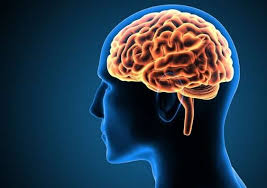
Our brains have two kinds of neural tissue: grey matter and white matter. The grey matter processes information in the brain, directing signals and sensory stimuli to nerve cells, while white matter is mostly made up of fatty tissue and nerve fibers. When we produce any movement in our body information travels from the brain’s grey matter, down the spinal cord, through a chain of nerve fibers called axons to our muscles.

The axons are wrapped with a fatty substance called myelin. And it’s this myelin covering, or sheath, that seems to change with practice. Myelin is like insulation on electrical cables. It prevents loss of electrical signals moving them more efficiently along neural pathways. Recent studies in mice suggest that the repetition of a physical motion increases the layers of myelin sheath that insulates the axons. And the more layers, the greater the insulation around the axon chains; forming a sort of superhighway for information connecting your brain to your muscles. So while many athletes and performers attribute their successes to muscle memory, muscles themselves don’t really have memory. Rather, it may be the myelination of neural pathways that gives these athletes and performers their edge with faster and more efficient neural pathways.

My favorite is the broken heart which science has baptized as “Takotsubo myocardiopathy”. This “broken heart” concept so prevalent in literature and old proverbs has a footing in real life. When we suffer an emotional loss the term “I have a broken heart” is an easy currency in common language. Takotsubo cardiomyopathy was first described in 1990 in Japan ( Kazuo et al, 2014). More than 90% of reported cases are in women ages over 50. In this cardiomyopathy the left ventricle is weakened as a result of severe emotional or physical stress (loss of a loved one, an accident, or a natural disaster). This condition is also called stress-induced cardiomyopathy or broken-heart syndrome. As in any cardiomyopathy with some level of heart failure the main symptoms are chest pain and shortness of breath. The current hypothesis says that a surge in stress hormones (such as adrenaline) “stun” the heart, producing changes in heart muscle cells or coronary blood vessels that prevent the left ventricle from having an effective contraction.

The abnormality that gives the disorder its name — is ballooning of the lower part of the left ventricle (apex). During contraction (systole), this ventricle resembles a tako-tsubo, a pot used by Japanese fishermen to trap octopuses. There you have it, there is an explanation for that chest pain you feel when your loved one leaves …

And the last one I will review is very interesting and something science is currently digging deeper and deeper: the intimate relationship between guts and brains. We commonly use the expression “I have a gut feeling that …” and we mean that we sense something that is not right or that is very right, in any case we attach an emotional intuition to the gut. What is the basis for that?

It turns out that the ‘microbiome’, a name for all the bacteria in our intestines who live in symbiotic relationship with us, do a lot of work for us.  Research shows that gut microbiome may play an role in our brain, behavior, and mood.

These bacteria have the capacity to generate many neurotransmitters and neuromodulators commonly found in the brain (GABA, norepinephrine, 5HT, dopamine, and acetylcholine). Furthermore, there is evidence of the existence of a gut-brain axis. These pathways of communication include the enteric nervous system (ENS), the endocrine system, the metabolic system, and even the immune system.

There are numerous animal studies showing behavioral changes with different food schemes that produce different microbiomes. It is always difficult to translate such animal studies results into a clinically meaningful result in humans. That is why I will mention human studies.

A recently published systematic review of clinical studies retrieved 10 studies that met criteria and were analyzed for effects on mood, anxiety, and cognition. Five studies assessed mood symptoms, seven studies assessed anxiety symptoms, and three studies assessed cognition. The majority of the studies found positive results on all measures of depressive symptoms; however, the strain of probiotic, the dosing, and duration of treatment varied widely and no studies assessed sleep. The study concluded that there is compelling evidence that probiotics may alleviate depressive symptoms is compelling but additional double-blind randomized control trials in clinical populations are warranted to further assess efficacy ( Wallace et al, 2017).

In summary, though we still lack randomized placebo controlled evidence (the highest level of scientific evidence) there is a clear body of evidence and science pointing towards that direction. Food is health and has an impact on your emotional welfare.

Yes, you have a gut feeling!

References

Kazuo Komamura, Miho Fukui, Toshihiro Iwasaku, Shinichi Hirotani, and Tohru Masuyama. Takotsubo cardiomyopathy: Pathophysiology, diagnosis and treatment. World J Cardiol. 2014; 6: 602–609.

Wallace CJK, Milev R. The effects of probiotics on depressive symptoms in humans: a systematic review. Ann Gen Psychiatry 2017;16:14.

Effects of physical exercise on myelin sheath regeneration: A systematic review and meta-analysis. https://www.researchgate.net/publication/319309032_Effects_of_physical_exercise_on_myelin_sheath_regeneration_A_systematic_review_and_meta-analysis